
 Concorsi
 Concorsi scuola
 Professionisti
 Università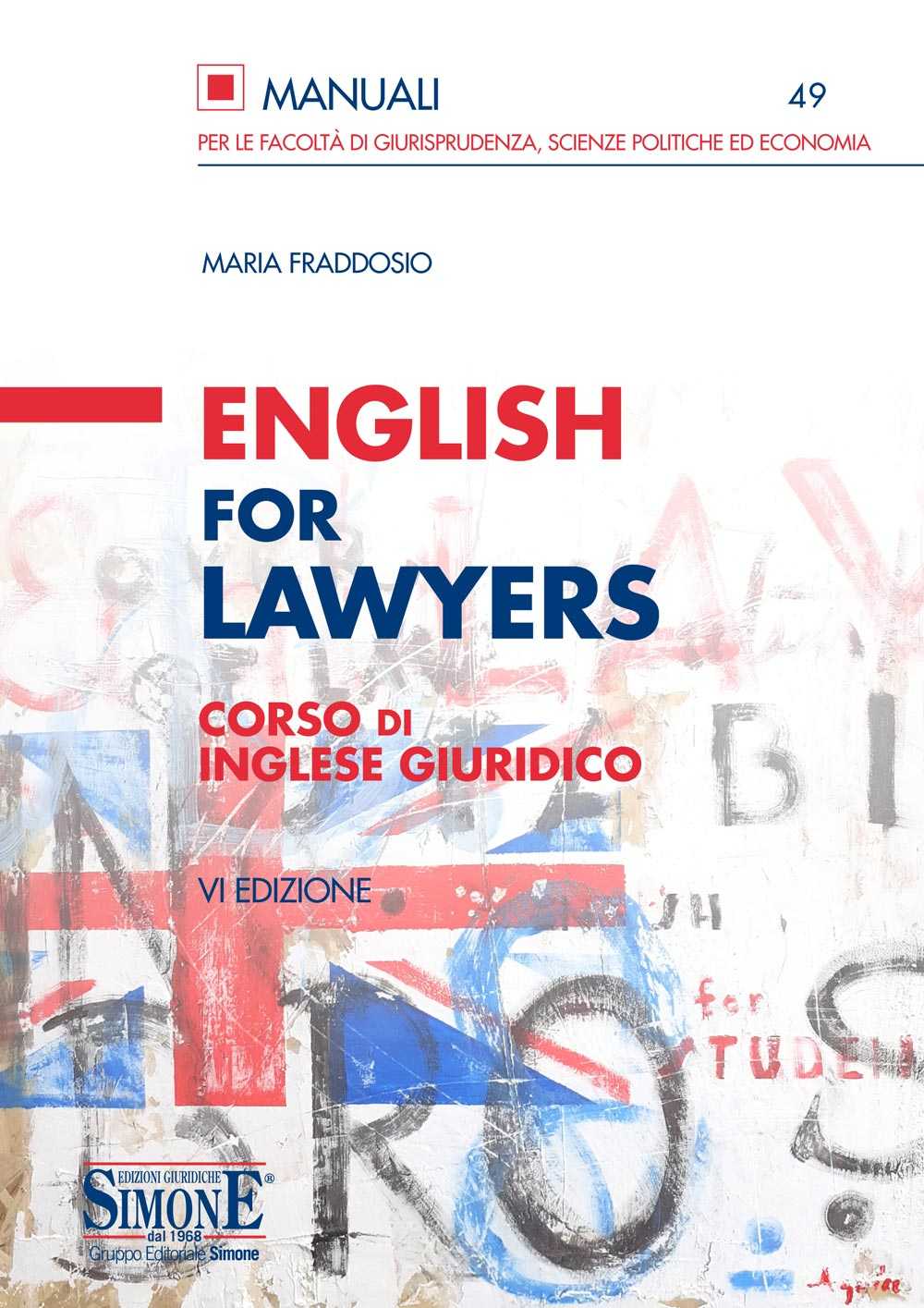
 Paga in tre rate senza interessi con PayPal per ordini superiori a 30 euro.




English for Lawyers è il nuovo manuale di Inglese giuridico per gli studenti delle facoltà giuridiche e per gli operatori del diritto.
Il manuale tiene conto delle più recenti direttive del Common European Framework of Reference sulla didattica dell’English for Specific Purposes (ESP), e dei programmi d’insegnamento universitari.
Utile per il lavoro in classe o per lo studio autonomo, il libro introduce una varietà di temi legali ed economici, tratti da fonti autentiche del sistema legale inglese. La proposizione di testi autentici guida gli studenti alla padronanza di una cultura linguistico-giuridica.
In particolare, English for Lawyers suggerisce:
– le strategie di reading;
– le attività di writing;
– l’acquisizione di una linguistic competence nella terminologia giuridica.
I Test of Legal English Skills e Test of Legal English Correspondence contengono un apparato di esercizi per la preparazione agli esami, oltre che le chiavi di risoluzione di tutte le esercitazioni.
Completa il Manuale di Inglese Giuridico il glossario, utile nella pratica professionale con riferimenti ai termini di derivazione latina.
Premessa
This new edition of English for Lawyers is a university coursebook for law students and practising lawyers who need to be able to use English in international law environment and in the legal profession.
It is suitable for both self-study and classroom use.
The book focuses on a number of different legal topics of the English legal system including important branches such as Britain’s withdrawal, international law, constitutional law, the court system, criminal and civil law, contract law, to name a few. The topics have been selected as the legal subject matter of the units.
The legal concepts are common to many legal systems and in that context the book has an international dimension. They reflect changes after Brexit withdrawal agreement, a historical process of legal separation from European Union. English for Lawyers will also help extend the legal terminology for international professionals who need some knowledge of legal English terms for commercial agreements and transactions. The original objectives remain: To improve the ability to read and understand legal texts. To develop the ability to write legal text types in English such as letters and emails. To increase the knowledge of legal English terminology and specialist terms in both academic and professional contexts. To familiarize with the kinds of tasks used in professional area. English for Lawyers consists of 14 units each of which deals with a different area of law. Each of units 1-14 begins with a reading text which provides the topic area in question. Using authentic texts, the book introduces specific legal concepts accompanied by a wide range of tasks such as reading, comprehension, language, vocabulary, writing activities, all designed to develope users’skills in legal English. The final part of each unit is the Language Focus section, which does not teach basic English Grammar. It focuses on the form and the function of the salient features that characterize the common grammatical structures of legal English. The section offers students the opportunity to expand their knowledge and skills and consolidate the language work done in the unit. Discuss and compare is an activity that encourages students to compare their own legal system with aspects of the English legal system covered in the text. Then some notes clarify specific legal concepts to increase students’study of the law. For further reading, website references of interest are given in each unit. At the back of the book a brief history of the UK System of Government and US fundamental documents as well. A new section of language activities (Tests) has been included, consisting of: Test Your Legal English Skills; Test Your Legal English Correspondence; Test Your Business English Skills; Test Your Business English Correspondence. An answer key provides the solution to all the exercises. An extensive glossary of law terms expands learners’ specific terminology.
49





 Simulatore online Simone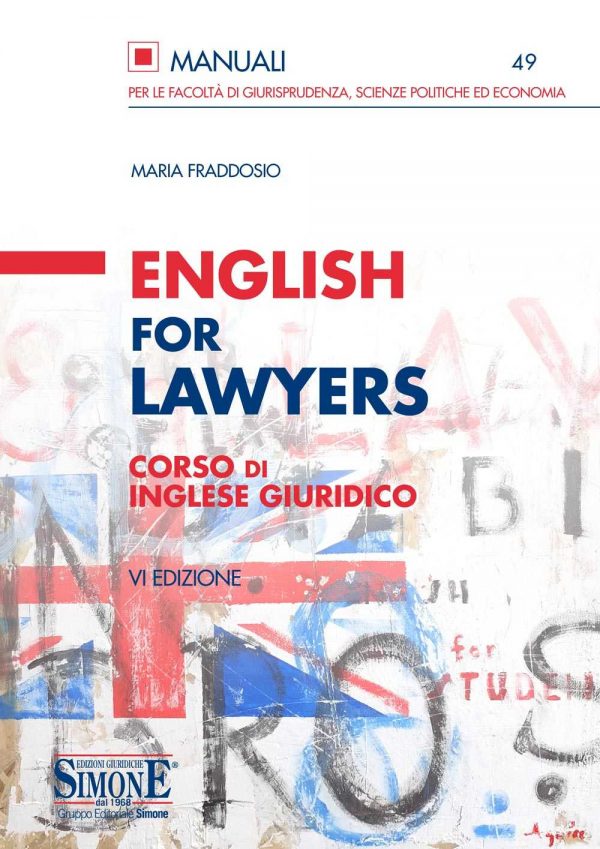
Recensioni
Ancora non ci sono recensioni.